If you’re like most Tampa Bay homeowners, your electric bill probably fluctuates from month to month—especially during our scorching summers. But have you ever looked closely at what you’re actually being charged for? Understanding your energy usage and how it’s measured can help you make smarter decisions—and potentially cut your costs. Let’s break it down.
What is a Kilowatt Hour, Anyway?
When you check your TECO (Tampa Electric Company) bill, you’ll notice you’re billed based on kilowatt hours (kWh) used. But what does that mean?
A kilowatt hour is a measure of energy—not power. Here’s the difference: power is measured in watts (W), and energy is the total amount of power used over time. One kilowatt (kW) is 1,000 watts. So, if you use a 1,000-watt toaster oven for one hour, that equals one kilowatt hour of energy.
Different appliances use energy at different rates. For instance, if you’re using a 100-watt ceiling fan, you’d have to run it for 10 hours to use just one kWh. But a more powerful 4,000-watt air conditioner (a common must-have in Tampa) would use a full kWh in just 15 minutes.
How Your TECO Bill Breaks Down
Your monthly electric bill is typically divided into two main parts:
- Supply Charge: The cost of generating the electricity you use.
- Transmission and Distribution Charges: The cost of delivering that electricity to your home through the power grid.
Your supply charge is based on the number of kilowatt hours you use. According to national data, the average U.S. household uses about 10,720 kWh per year. In Tampa, with the high A/C usage, that number could be even higher.
Related: Climate First Bank Reduces Solar Loan Rates
The Solar Solution for Tampa Homes
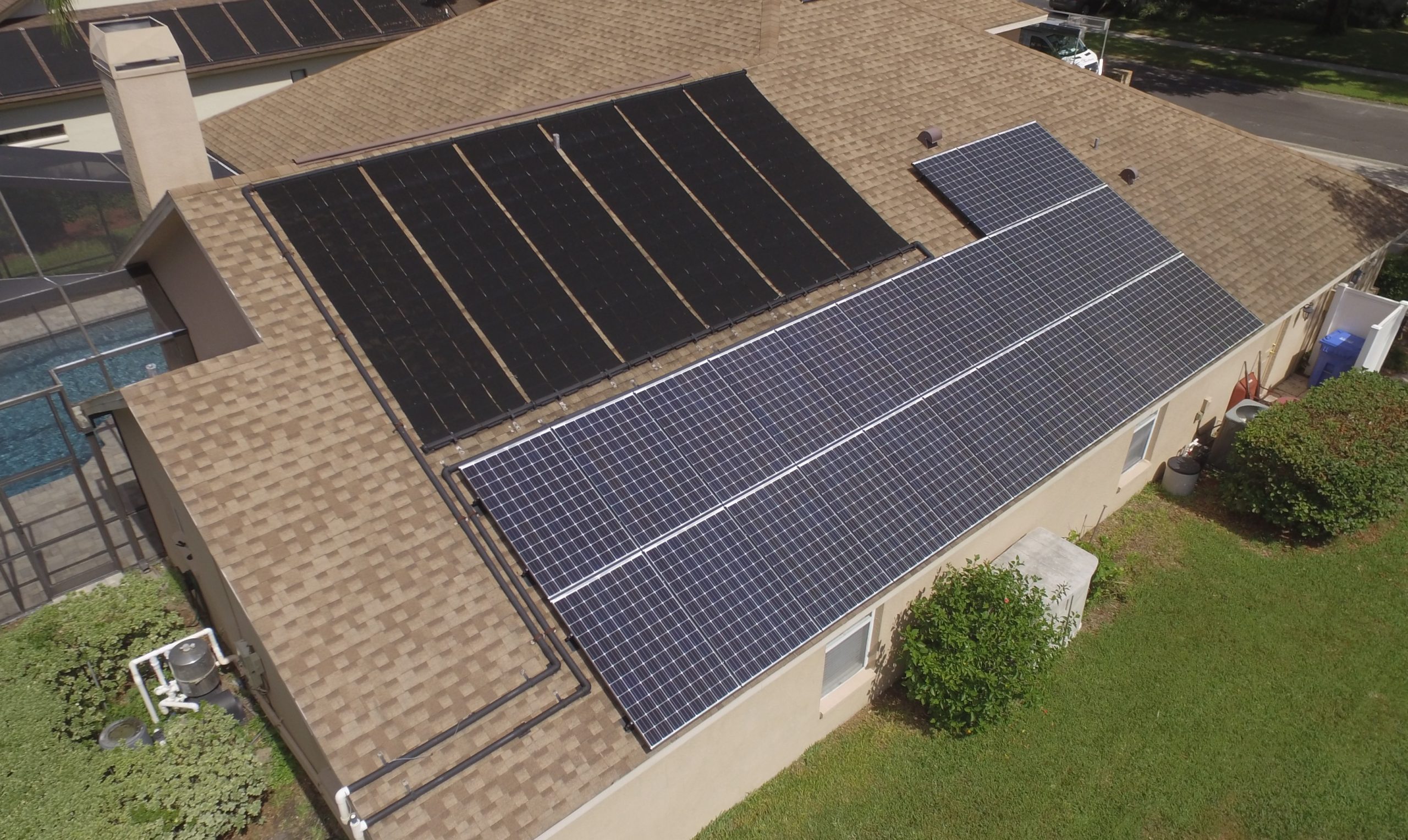
With Florida being the Sunshine State, it just makes sense to consider solar power as a way to reduce your electric bill. By installing solar panels on your home, you can generate your own electricity—cutting down your reliance on the grid and potentially slashing your bill.
Many Tampa homeowners who go solar benefit from:
- Lower cost per kWh: Solar can provide electricity at a cheaper rate than what you’re currently paying.
- Federal tax credits: You may qualify for federal incentives, making solar more affordable.
- Stable long-term energy costs: Unlike grid energy, which keeps getting more expensive, your solar payments stay the same.
It’s a major investment upfront, but over time, solar can pay off—especially here in Tampa where we have more sunny days than not.
Quick Energy-Saving Tips for Your Tampa Home
If solar isn’t in the cards just yet, there are still ways to cut down on energy costs:
- Unplug electronics when not in use.
- Adjust your thermostat a few degrees when you’re not home—especially during the day.
- Upgrade to energy-efficient appliances, especially older A/C units.
- Consider solar financing options that replace your electric bill with a manageable monthly solar payment.
With Tampa’s abundant sunshine and rising energy prices, there’s never been a better time to take control of your energy use. Whether you go solar or start with simple conservation habits, every kWh you save is money back in your pocket.